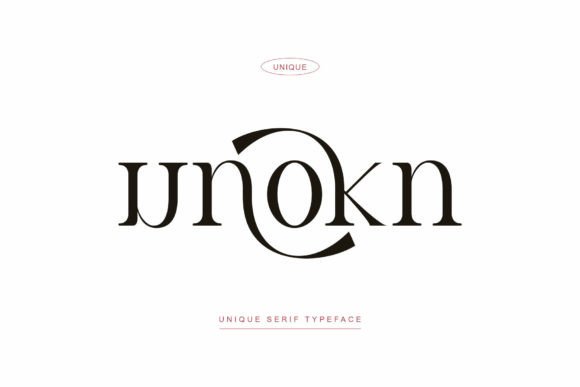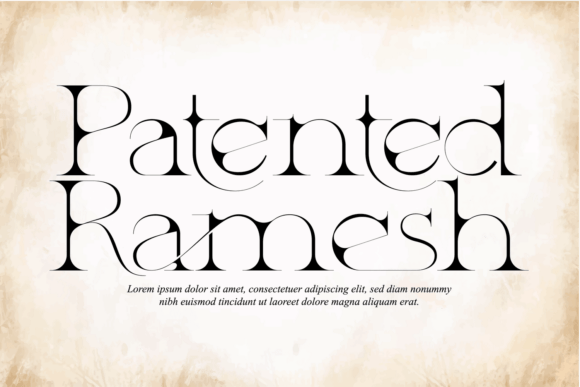
Patented Ramesh Font: Elevating Small Business Branding
Last Tuesday, I sat at my kitchen table surrounded by half-printed candle labels and a growing sense of frustration. As a small business owner in the home fragrance space, I have learned that the difference between a hobbyist project and a premium brand often comes down to typography. My product was excellent, but my packaging looked generic. I needed a typeface that communicated warmth, craftsmanship, and luxury without feeling stuffy or outdated. That is when I began testing Patented Ramesh, a stylish and uniquely shaped serif font that completely transformed how my customers perceive my brand. If you are currently refreshing your visual identity, understanding how this specific typeface works in real-world applications can save you hours of design trial and error.
Using Patented Ramesh for Premium Product Packaging and Labels
When evaluating serif fonts for physical goods, legibility and shelf appeal are just as important as aesthetic beauty. Patented Ramesh distinguishes itself from standard display fonts through its original aesthetic, which adds an exquisite touch to product labels without sacrificing clarity. In my own testing on matte vinyl candle stickers, the unique shaping of the letterforms created a custom, high-end look that previously required expensive hand-lettering services. The weight distribution in this font is particularly forgiving on textured paper stocks, meaning the ink does not bleed into the delicate serifs even at smaller point sizes.
For business owners creating skincare lines, artisanal food products, or boutique accessories, this typeface serves as an excellent anchor for brand identity. It strikes a difficult balance: it feels historical and trustworthy, yet modern enough to appeal to contemporary buyers. When designing your primary label, consider using Patented Ramesh for the product name or collection title while reserving simpler sans serif fonts for regulatory text and ingredients. This hierarchy ensures compliance and readability while allowing the creative font to do the heavy lifting for emotional connection. Remember that packaging is often the first tangible interaction a customer has with your online shop, so investing in a typeface that photographs well for social media unboxing videos is a strategic business decision.
Patented Ramesh in Social Media Graphics and Digital Storefronts
Digital consistency is where many small brands falter, but integrating Patented Ramesh into your Instagram templates and website banners creates immediate recognition. Unlike many decorative fonts that become pixelated or illegible on mobile screens, this serif maintains its structural integrity even when scaled down for story highlights or thumbnail images. I recently updated my seasonal promotional graphics using this typeface, and the engagement shift was noticeable; the text felt intentional rather than like an afterthought. For e-commerce sellers, using this font in hero banners or category headers signals to visitors that they have arrived at a curated destination, not a generic marketplace listing.
The versatility of Patented Ramesh extends to email marketing headers and digital ad creatives as well. Because the font carries so much personality, you do not need complex background illustrations to make a statement. A simple solid color background with white Patented Ramesh text can outperform busy, cluttered designs because it respects the viewer's attention span. When building your Canva or Photoshop templates, set this font as your default heading style to ensure every post, pin, and ad reinforces your brand voice. This repetition builds trust over time, turning casual scrollers into loyal customers who recognize your content instantly in a crowded feed.
Accessing PUA Encoded Alternates for Custom Logo Design
One of the most valuable technical aspects of Patented Ramesh for non-designers is that this font is PUA encoded, which means you can access special characters and alternates without professional graphic design software. For small business owners creating their own logos or monograms, this feature is a game-changer. Standard keyboard typing gives you the base font, but the Private Use Area contains the unique swashes, ligatures, and stylistic variations that give the typeface its signature charm. Without PUA encoding, you would be stuck with the default glyphs, missing out on the bespoke details that make branding feel expensive.
To utilize these features effectively, open your character map (Windows) or font book (Mac) to copy and paste specific alternates directly into your design canvas. This allows you to customize the "R" in your brand name or add a flourish to a tagline without needing Adobe Illustrator’s advanced glyph panels. For logo design specifically, these alternates prevent your wordmark from looking like everyone else’s. You might swap a standard 'a' for a more open variant or use a connecting ligature to improve flow. This level of customization ensures your trademark assets are distinct and legally protectable, which is crucial as your business scales.
Pairing Patented Ramesh with Clean Sans Serif Fonts for Readability
While Patented Ramesh is stunning, using it exclusively can overwhelm the reader; successful branding requires mastering font pairing to maintain professional communication. Think of this serif as the lead vocalist and your supporting typeface as the rhythm section. For body copy, pricing tables, shipping policies, and detailed product descriptions, pair it with a neutral, geometric sans serif like Montserrat, Lato, or Open Sans. The contrast between the ornate, uniquely shaped serifs and the clean, uniform lines of a modern sans serif creates visual tension that keeps layouts dynamic and easy to read.
Avoid pairing Patented Ramesh with other highly decorative scripts or vintage display fonts, as this creates competition rather than harmony. Your goal is to guide the customer’s eye, not confuse it. On a restaurant menu or service price list, use Patented Ramesh for section headers like "Signature Cocktails" or "Bridal Services," then switch to the sans serif for the itemized lists. This functional approach to typography improves user experience and reduces cognitive load. When customers can navigate your information effortlessly, they are more likely to convert. Always test your pairings at actual print size or mobile view before finalizing, as screen resolution can sometimes mask spacing issues that become obvious in production.
Licensing Patented Ramesh for Commercial Business Assets
Before you commit Patented Ramesh to 500 printed boxes or launch your rebranded Etsy shop, verifying your commercial font licensing is a non-negotiable step for protecting your business. Fonts are intellectual property, and using a personal-use-only license for revenue-generating activities can lead to legal complications and retroactive fees. Check the specific license file included with your download to confirm coverage for physical merchandise, digital templates, and client work if you are a service provider. Many creators overlook this detail in their excitement to design, but proper licensing is what separates legitimate businesses from amateurs.
Beyond legality, understanding your license helps you plan for growth. Some licenses cover up to a certain number of impressions or units sold, requiring an upgrade as you scale. Also, verify multilingual support if you sell internationally or serve diverse communities; nothing undermines a premium brand faster than broken accents or missing characters on a bilingual label. Review the included file formats (OTF vs. TTF) to ensure compatibility with your cutting machines, embroidery software, or web platforms. By treating typography as a business asset rather than just a decorative element, you build a foundation that supports sustainable growth and protects your creative investment for years to come.